
COMMERCIAL ACOUSTIC TREATMENT & SOUNDPROOFING – CHARLOTTE, NC
Make Active Spaces Sound More Comfortable Commercial acoustic treatment for restaurants, gyms, hospitality, and public interiors
Acoustics Specialty designs and installs acoustic treatment for restaurants, gyms, hospitality spaces, clubhouses, amenity areas, and other commercial interiors that need less echo, lower noise buildup, and a more comfortable sound profile.
When hard surfaces dominate the room, sound keeps building. Good acoustic treatment helps the space feel calmer, clearer, and easier for people to enjoy.
Why commercial acoustic treatment matters
Many commercial interiors are built with hard, durable, visually clean finishes like glass, concrete, drywall, tile, metal, and exposed ceilings. Those choices can look great while also making the space louder, more reflective, and more fatiguing than it should be.
That affects the experience of the people using the room. Restaurants become harder to talk in, clubhouses feel noisier than expected, gyms become more chaotic, and hospitality spaces can lose the sense of comfort they were meant to create. In some rooms, the problem is obvious echo. In others, it is simply too much overall sound energy hanging in the space.
Good commercial acoustics improve comfort without changing the purpose of the room. The goal is to reduce harsh reflections, improve the way the space feels, and support the experience the room was designed to deliver.
Commercial rooms often need more than absorption. Many of these projects also involve soundproofing between tenant spaces, acoustic testing when a landlord or franchise specification asks for proof of performance, and white label support for the design firm or general contractor running the job.
Better Sound
Improves the
Experience
Core commercial acoustic strategies
Most commercial acoustic problems come from too much reflected sound in a busy, hard-surfaced environment. The right treatment plan depends on how the space is used, how visible the treatment can be, and whether the priority is speech comfort, overall noise reduction, or a more controlled atmosphere.
Wall Treatment
Acoustic wall panels help reduce reflections and lower reverberation so the space feels less harsh and more comfortable for conversation and daily use.
- Architectural wall panels
- Fabric-wrapped acoustic panels
- Printed acoustic panels
A strong fit for restaurants, clubhouses, lounges, amenity spaces, and hospitality interiors with large reflective wall areas.
Ceiling Treatment
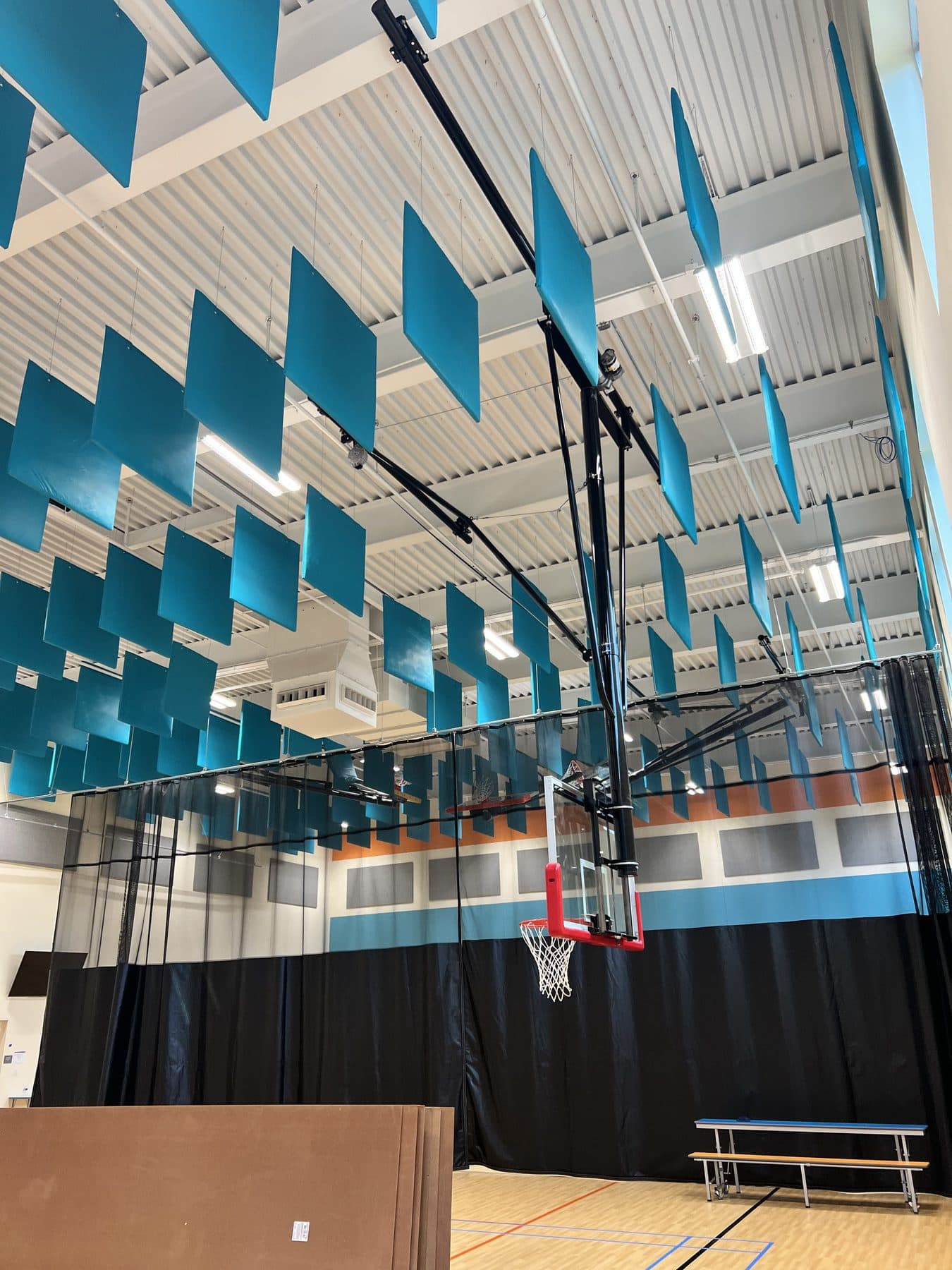
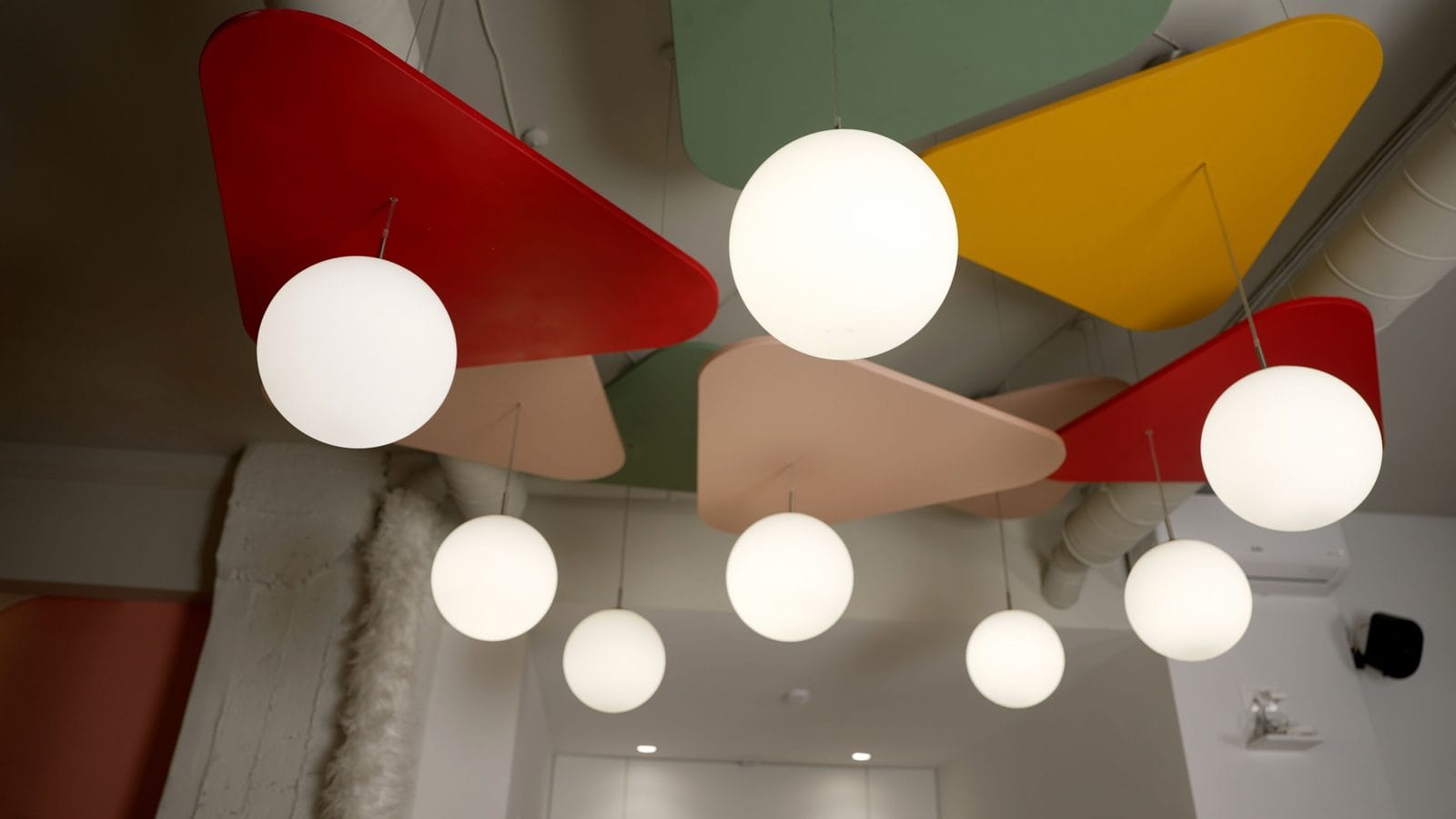
When wall space is limited or the room has a lot of exposed overhead area, ceiling treatment can improve clarity without affecting how the room is used.
- Ceiling clouds
- Acoustic baffles
- Open-ceiling sound control
Useful in gyms, dining areas, clubhouses, lobbies, and other larger-volume commercial spaces where overhead reflection is a major contributor.
Comfort & Noise Reduction
Different commercial spaces need different levels of control depending on whether the goal is easier conversation, a calmer customer experience, or simply reducing the overall sense of loudness in the room.
- Echo reduction
- Lower perceived noise levels
- Improved room comfort
The goal is to improve the way the space feels and functions without making it look over-treated or out of character.
Common questions
Answers to common questions about commercial acoustic treatment, echo reduction, and how to make busy public interiors feel more comfortable.
Commercial spaces often use hard, reflective finishes such as glass, concrete, drywall, tile, and exposed ceilings. These surfaces reflect sound instead of absorbing it, which increases reverberation and overall noise buildup.
Yes. Acoustic treatment can reduce harsh reflections and lower perceived noise levels while still fitting the look of the space. Treatments can be selected and laid out to support both performance and appearance.
Common commercial acoustic treatments include wall panels, ceiling clouds, baffles, printed acoustic panels, and other sound-control systems selected to reduce echo and improve comfort in active public environments.
Still have questions about your commercial space?
We value your online privacy.
Talk through your commercial acoustics project
Tell us about the space, how it is used, and what feels hardest to manage now. A few details — and photos if you have them — are usually enough to get started.