
STUDIO & LISTENING ROOM ACOUSTIC TREATMENT & SOUNDPROOFING – CHARLOTTE, NC
Hear the Room More Accurately Studio acoustic treatment, bass control, and listening room balance
Acoustics Specialty designs and installs acoustic treatment for recording studios, control rooms, podcast spaces, and listening rooms that need better clarity, smoother bass response, and more reliable monitoring.
When the room is misleading, every listening decision becomes harder. Good treatment helps you hear what is really there.
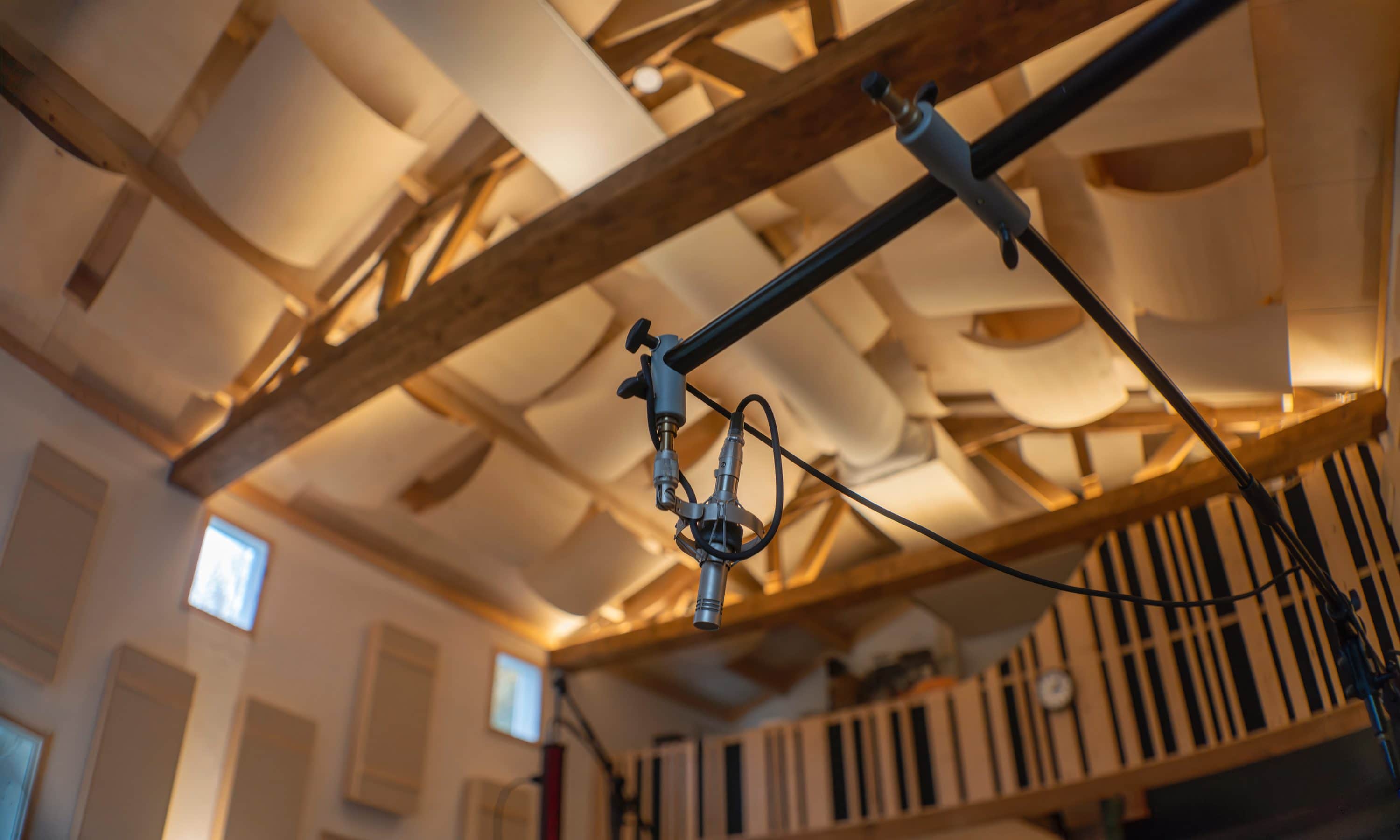

Why studio acoustic treatment matters
A studio or listening room can have good gear and still sound inaccurate if the room is untreated. Reflections, poor symmetry, uneven bass response, and uncontrolled decay can make the room sound misleading, which affects both clarity and confidence.
Good studio acoustics help you hear more honestly. Imaging becomes more stable, bass becomes more balanced, and the room becomes easier to work in for longer sessions without the same level of fatigue or guesswork.
Whether the goal is mixing, tracking, podcast production, or simply getting more out of a serious listening room, acoustic treatment is one of the most important parts of the overall system.
Studios are the rooms where measurement matters most, so most of ours begin with acoustic testing. Rooms in shared buildings or basements usually need soundproofing alongside treatment, and we build home theaters to the same standard.
The Room
Shapes
Every Decision
Core studio acoustic strategies
Strong studio and listening rooms usually rely on a mix of reflection control, bass management, and rear-wall treatment. The goal is not to make the room lifeless. The goal is to make it accurate, controlled, and easier to trust.
Reflection Control
Early reflections from side walls, ceilings, desks, and other hard surfaces can blur imaging and reduce clarity. Targeted absorption helps stabilize what you hear at the listening position.
- First-reflection control
- Ceiling cloud treatment
- Broadband wall absorption
A major part of improving stereo image stability, vocal clarity, and overall monitoring accuracy.
Bass Management
Low frequencies build up unevenly in small and mid-sized rooms. Without proper control, bass can sound exaggerated in one position and weak in another.
- Bass traps
- Corner treatment
- Low-frequency control strategies
Good bass treatment makes the room more consistent, more believable, and easier to mix or evaluate music in.
Rear-Wall Balance & Diffusion
Rear-wall behavior can affect depth, comfort, and the sense of balance in the room. Depending on the layout, the right solution may involve absorption, diffusion, or a combination of both.
- QRD diffusers
- Skyline diffusers
- Rear-wall acoustic balance
The right rear-wall approach depends on room size, listener position, and whether the space is built for production, playback, or both.
Common questions
Answers to common questions about studio acoustic treatment, listening room balance, and what it takes to make a room more accurate and easier to trust.
In many studios and listening rooms, the problem is not the monitors or speakers. It is the room. Reflections, uneven bass response, and poor symmetry can make the room sound misleading, which affects both clarity and decision-making.
Yes. Even excellent monitors and speakers are heavily influenced by the acoustics of the room. Proper treatment improves monitoring accuracy by controlling reflections, balancing decay, and improving low-frequency response.
Common studio treatments include broadband absorption, bass traps, ceiling clouds, first-reflection control, rear-wall treatment, and diffusion depending on the room size, layout, and performance goals.
Still have questions about your studio or listening room?
We value your online privacy.
Talk through your studio project
Tell us about the room, what you are hearing now, and what you need it to do better. A few details — and photos if you have them — are usually enough to get started.