
ACOUSTIC TESTING & ROOM MEASUREMENT – CHARLOTTE, NC
Measure the Room Before You Treat It Acoustic testing, room measurement, and reverberation analysis
Acoustics Specialty measures rooms in the Charlotte, NC area before treating them. We measure reverberation time, frequency response, room modes and background noise, taken where people actually sit, speak or listen. Measurement shows which problem the room actually has, so the treatment plan fixes that rather than a guess. Testing is available on its own, or as the first step of a treatment or soundproofing project.
Most acoustic problems get guessed at. Measurement replaces the guess with data, so treatment is designed for the room you actually have.
What acoustic testing tells you
A room can sound wrong for several different reasons, and they do not all have the same fix. Acoustic testing separates them: how long sound takes to decay, which frequencies cause the problem, and whether the room is working against you at low frequencies.
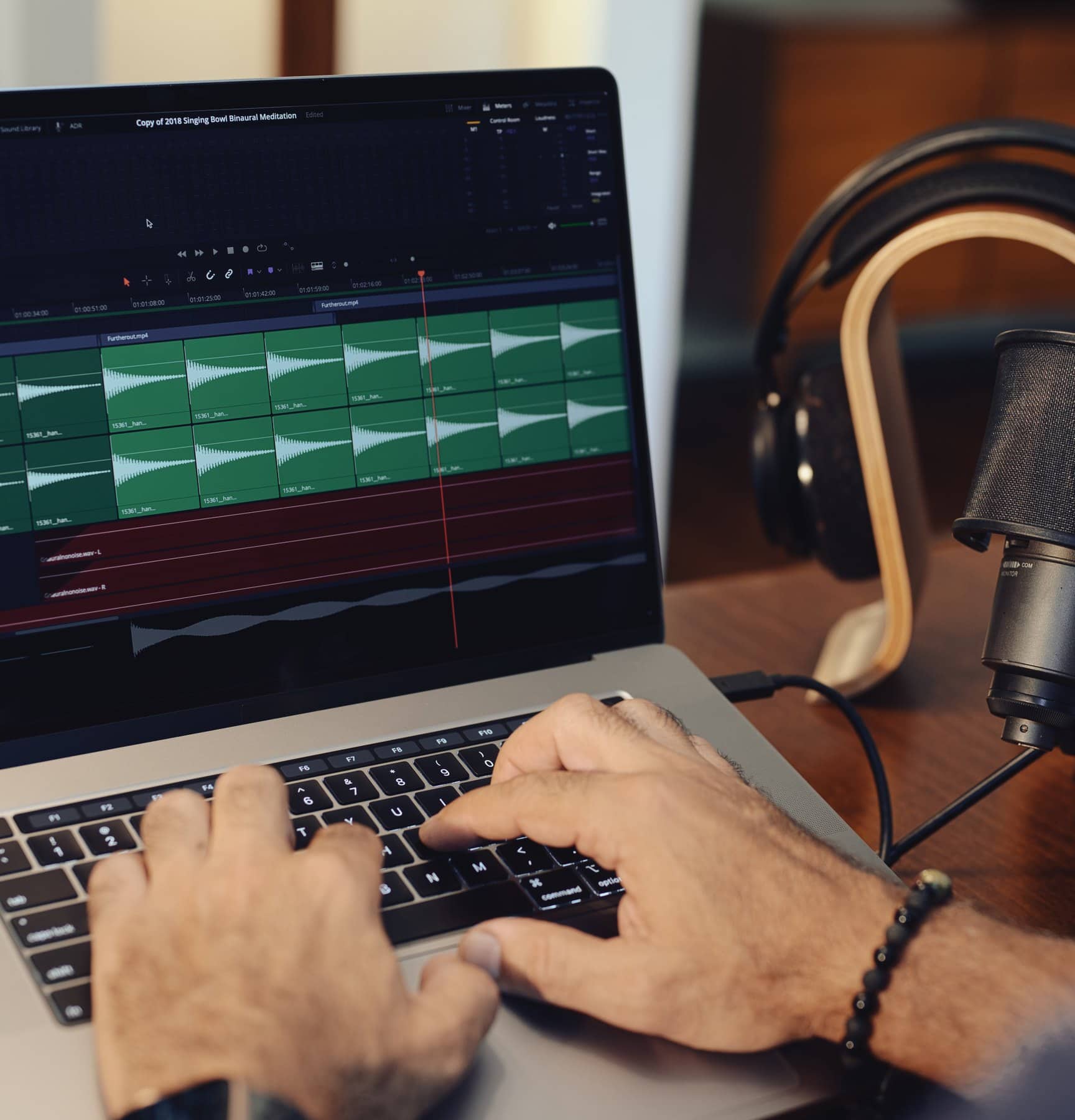
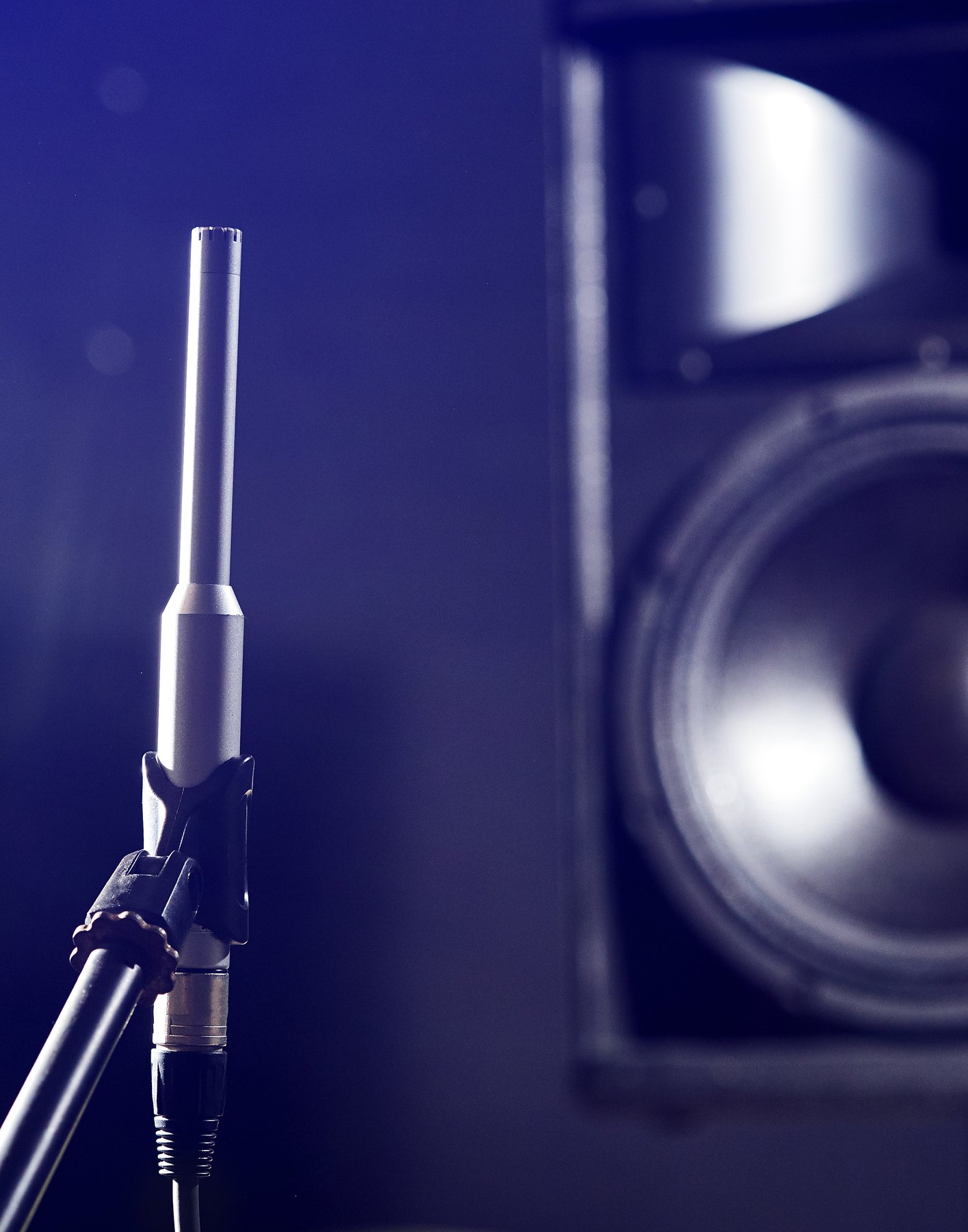
Measurements are taken in the room, in the positions that matter — where people sit, speak, listen, or record. The result describes the room’s actual behavior rather than an assumption based on its size or finishes.
That data drives the treatment plan: how much absorption the room needs, where it belongs, which frequency range to target, and what can realistically be improved. It also shows when a problem is structural rather than something treatment can solve.
Measure First.
Then Treat.
What we measure
An acoustic testing session captures a set of related measurements. Read together, they explain what the room is doing and why it sounds the way it does.
Reverberation & Decay
How long sound takes to fade, measured across frequency bands rather than as a single number. Rooms often decay evenly in the midrange while holding energy far too long at low frequencies.
- Reverberation time by frequency band
- Early decay characteristics
- How decay changes across the spectrum
This is the measurement that most often explains why a room feels loud, harsh, or tiring to be in.
Frequency Response & Room Modes
How the room reinforces some frequencies and cancels others. Room dimensions create predictable low-frequency peaks and nulls that speaker adjustment alone cannot fix.
- Low-frequency peaks and nulls
- Overall frequency balance in the room
- Problem frequencies identified by position
Critical for studios, listening rooms, and theaters, where low-end accuracy decides whether the system can be trusted.
Reflections, Noise & Clarity
How early reflections arrive, how much background noise the space carries, and how clearly speech and music read in the room.
- Early reflection timing and strength
- Background noise levels in the space
- Speech clarity and musical definition
These matter most in conference rooms, worship spaces, and any room where being understood is the point.
Common questions
Answers to common questions about acoustic testing, what the measurements show, and how testing fits into a project.
Testing measures reverberation time across frequency bands, frequency response and room modes, early reflections, background noise levels, and clarity metrics for speech and music. Together they describe how the room behaves and what needs to change.
Not always. Straightforward rooms can often be treated well from dimensions, construction details, and photos. Testing earns its place in critical spaces — studios, theaters, worship rooms — and in rooms that were already treated and still do not sound right.
Yes. Measuring the same room after installation shows what actually changed and confirms the treatment did what it was designed to do. Before-and-after measurements are the clearest proof of the result.
Still have questions about testing your space?
We value your online privacy.
Talk through your acoustic testing project
Tell us about the room you want measured, what it sounds like now, and what you are trying to confirm. Room dimensions, surface materials, and a few photos are usually enough to get started.